Illuminate Your Space with a Modern Globe Glass Bubble Pendant Light
Thinking about a globe glass bubble pendant light for your home? You’re probably wondering if it’s the right choice for your space and what makes it stand out from other lighting options. In short, yes, they can be terrific. They offer a clean, contemporary look with a diffused, soft glow that’s much less harsh than bare bulbs. Plus, the versatility of their design means they can fit into almost any room, from a cozy nook to a more prominent statement piece. This article will walk you through what these lights are, why people like them, and how you can make them work for you.
Let’s break down what we’re talking about when we say “globe glass bubble pendant light Laniusdesign.” It’s actually quite straightforward once you get past the descriptive name.
The Core Components
At its heart, this type of light fixture consists of two main elements: a globe-shaped glass shade and the pendant mechanism that suspends it.
The Glass Shade
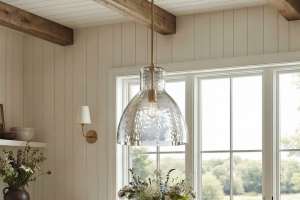
The “globe” refers to the spherical shape of the glass. Think of a perfectly round ball. “Bubble” often describes the texture or finish. Some might have a smooth, clear, or frosted surface, while others have a subtle, iridescent, or textured quality that resembles captured bubbles. The size of these globes can vary significantly, from small, delicate orbs to much larger statement pieces.
The Pendant Mechanism
This is the part that hangs from the ceiling. It typically includes a canopy that attaches to your ceiling electrical box, a cord or rod that holds the glass globe, and a socket for the light bulb. The material and finish of this mechanism (e.g., brushed nickel, matte black, brass) are crucial for the overall aesthetic of the fixture.
Variations on the Theme
While the core concept is simple, there’s a lot of room for style and function within this category.
Single vs. Multi-Light Clusters
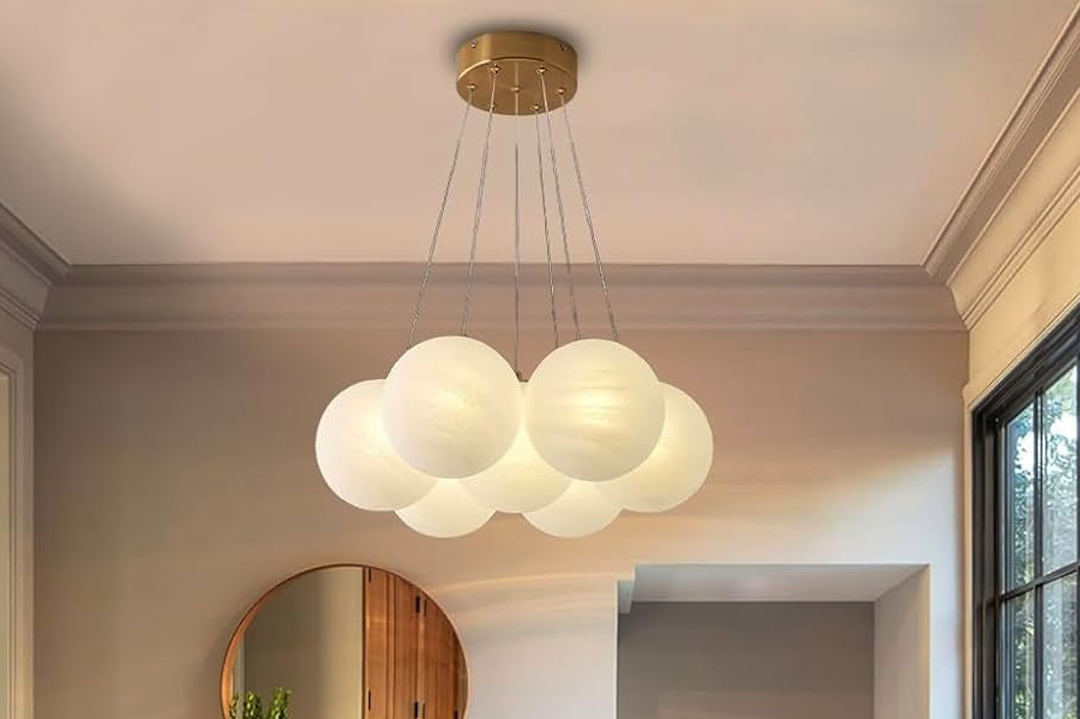
You can find fixtures with a single globe for a minimalist touch or arrangements with multiple globes clustered together for a more dramatic effect. These clusters can be hung at the same height or staggered for added visual interest.
Material Finishes
Beyond the glass itself, the hardware holding the globe can come in a wide range of finishes. This allows you to match the light to your existing decor. Matte black is popular for a modern, edgy look, while brushed brass or gold can add warmth and a touch of luxury. Chrome and brushed nickel provide a classic, clean feel.
Size and Scale
The size of the globe is a primary consideration. A cluster of small globes might work perfectly over a kitchen island, while a single, large globe could be the star of a dining room or living area. It’s important to consider the proportions of your room and the furniture it contains.
Why Opt for a Globe Glass Bubble Pendant Light?
So, what’s the appeal? Why are these lights gaining popularity? It’s a combination of aesthetics, functionality, and how they interact with light.
The Aesthetic Appeal
Modern design often leans towards clean lines and uncluttered spaces. Globe glass bubble pendant lights fit this ethos perfectly.
Simplicity and Elegance
The spherical shape is inherently pleasing and simple. It avoids fussy details and ornate designs, making it a great choice for a wide range of contemporary interiors. The “bubble” aspect can add a touch of whimsy or sophistication depending on the specific finish.
Versatile Style Integration
While considered modern, these lights aren’t confined to just one style. Their simple form allows them to blend surprisingly well with mid-century modern, minimalist, or even certain Scandinavian-inspired decors. The key is often in the material of the hanging hardware and the specific treatment of the glass.
A Touch of Texture and Light Play
Some “bubble” finishes aren’t just about the shape; they involve subtle textures or iridescent qualities. This can create interesting light patterns and add a dynamic element to the room without being overwhelming. It’s a way to incorporate visual interest through the light source itself.
Functional Benefits
Beyond just looking good, these lights offer practical advantages.
Diffused and Soft Lighting
The glass shade, particularly if frosted or with a textured finish, does an excellent job of diffusing light. This means you get a softer, more even illumination compared to exposed bulbs which can be quite harsh. This is especially important in areas where you want to create a relaxed atmosphere. It reduces glare and makes the light feel more inviting.
Illuminating Specific Areas
As pendant lights, they are designed to hang over specific zones. This makes them ideal for task lighting over kitchen countertops, islands, or dining tables, providing focused light where you need it most.
Creating Ambiance
The quality of light they emit can significantly impact the mood of a room. The gentle glow is perfect for creating a warm, inviting atmosphere, whether you’re enjoying a meal or relaxing with a book. They contribute to the overall feel of a space without being the sole focus.
Lighting Versatility
The way these lights interact with light is a major part of their appeal.
Light Quality
The frosted or textured glass softens the beam of light from the bulb. This makes it less direct and creates a more spread-out illumination. This is a significant departure from the sharp, sometimes glaring light you get from uncovered bulbs.
Visual Interest
When illuminated, the globes can appear to glow with a soft, even light. If the glass has a particular texture or a subtle iridescent quality, the light can play off these features, creating a gentle sparkle or a gentle shimmer. It’s subtle, but it adds a layer of visual appeal.
Color Temperature Options
The light emitted also depends on the bulb you choose. You can select bulbs with different color temperatures – from warm, inviting tones to cooler, more energizing light – to suit the function and feel of the room. This allows you to fine-tune the ambiance.
Where Do They Shine? Room-by-Room Applications
The beauty of globe glass bubble pendant lights lies in their adaptability. They aren’t limited to one or two spaces.
Kitchen and Dining Areas
These are classic spots for pendant lights, and the globe glass bubble style excels here.
Over Kitchen Islands
A cluster of 2-3 medium-sized globes can provide excellent task lighting for food preparation. Their diffused light is easy on the eyes and casts an even glow across the countertop. The contemporary look also complements modern kitchen cabinetry and finishes.
Above Dining Tables
A single, larger globe or a carefully arranged cluster can create a focal point above a dining table. The soft light is perfect for dining, fostering a comfortable and intimate atmosphere for meals. It’s less about harsh illumination and more about setting a mood.
Breakfast Nooks
For smaller eat-in kitchens, a single, smaller globe pendant can add a stylish touch without overwhelming the space. It offers a bit more personality than a standard flush mount.
Living Spaces
Don’t think these are just for functional areas; they work beautifully in living rooms too.
Accent Lighting
In a living room, a single statement globe pendant can serve as an attractive accent piece. It can hang over a coffee table, a reading chair, or in a corner to add a touch of elegance and soft illumination.
Creating Zones
In open-plan living spaces, pendant lights can help delineate different functional areas. A globe pendant over a seating area or a console table can visually separate it from other parts of the room.
Ambient Glow
The diffused light is ideal for creating a relaxing ambiance in a living room, especially in the evenings. It’s less about bright, functional light and more about warmth and comfort.
Bedrooms and Entryways
Even these more personal or transitional spaces can benefit from this lighting style.
Above Bedside Tables
Instead of traditional lamps, consider small globe pendants flanking a bed. This frees up surface space and adds a modern, sophisticated touch. Ensure they are hung at an appropriate height to avoid hitting your head!
Entryway Statement Piece
A striking globe pendant in an entryway or foyer can make a lasting first impression. It sets the tone for the rest of the home and provides welcoming light for guests. The size of the globe should be proportionate to the entryway.
Hallways
While not as common, a series of small globes can add a touch of style and subtle light to a longer hallway, breaking up the monotony.
Selecting the Right Globe Glass Bubble Pendant Light
With so many options, how do you pick the one that’s right for your home? It comes down to a few key factors.
Consider the Scale and Proportion
This is arguably the most important factor. A tiny globe will get lost in a large room, and an oversized one will dominate a small space.
Room Size
Measure your room. For larger rooms, you can go for larger globes or more numerous fixtures. For smaller rooms, a single, modest-sized globe or a small cluster is usually best.
Furniture Placement
Think about where the light will hang in relation to your furniture. A pendant over a dining table should be about 30-36 inches above the tabletop. Over an island, it’s often 30-40 inches above the counter’s surface. This ensures adequate light and clear sightlines.
Ceiling Height
High ceilings can accommodate larger, longer-hanging pendants. Lower ceilings might require shorter cords or rods to keep the light out of head-bumping territory.
Material and Finish Matters
The materials used for the hardware and the specific finish of the glass will significantly influence the fixture’s overall look and how it complements your decor.
Hardware Finishes
- Matte Black: Excellent for modern, industrial, or minimalist styles. It’s dramatic and sophisticated.
- Brushed Nickel/Chrome: Classic choices that work well with contemporary and transitional designs. They offer a clean, reflective look.
- Brushed Brass/Gold: Adds warmth and a touch of luxury. Great for mid-century modern or more decorative contemporary spaces.
- Bronze/Oil-Rubbed Bronze: Provides an antiqued, warmer feel, suitable for slightly more traditional or rustic modern interiors.
Glass Finishes
- Frosted: Offers excellent light diffusion, creating a soft, even glow. It hides the bulb and any imperfections.
- Clear: Shows off the bulb inside. This requires choosing an attractive bulb (like an Edison-style filament bulb) to hide any utilitarian aspects.
- Textured/Bubble: Adds visual interest and can create subtle light patterns. The texture can range from fine to more pronounced “bubble” effects.
- Iridescent/Opalescent: These offer a subtle sheen or color shift, adding a touch of magic when the light is on.
The Bulb Choice is Crucial
The light bulb is what truly brings the fixture to life and impacts the ambiance.
Light Bulb Type
- LED: Highly energy-efficient and long-lasting. Available in a wide range of wattages and color temperatures.
- Edison-style Filament (LED versions): If you have a clear glass globe, these offer vintage appeal but with the energy savings of LED.
Color Temperature
- Warm White (2700K-3000K): Creates a cozy, inviting atmosphere, ideal for living rooms, bedrooms, and dining areas.
- Cool White (3500K-4000K): Brighter and more energizing, suitable for task lighting in kitchens or workshops.
- Daylight (5000K+): Mimics natural daylight, but can feel too stark for most home environments.
Brightness (Lumens)
Consider how much light you need for the space. For accent lighting, fewer lumens are fine. For task lighting, you’ll need more. It’s good to have the option to dim the light if possible.
Installation and Maintenance Considerations
Getting your new pendant light up and then keeping it looking good is part of the process.
Professional Installation vs. DIY
While many people are comfortable with basic electrical work, hanging a pendant light involves connecting wires and securing it to the ceiling.
When to Call a Professional
If you’re not entirely confident with electrical wiring, or if the existing wiring in your ceiling looks old or complicated, it’s always best to hire a qualified electrician. Safety is paramount, and they can ensure the fixture is installed correctly and safely, meeting all local codes. Mistakes with electrical work can be dangerous and costly.
DIY Considerations
If you are experienced with electrical work, replacing a fixture often involves turning off the power at the breaker, removing the old fixture, connecting the new wires (usually black to black, white to white, and ground to ground), and then securing the canopy. Always double-check your work and ensure the power is off before you start. Instructions usually come with the fixture.
Cleaning and Care
Glass shades can collect dust and smudges, so some regular maintenance will keep your light looking its best.
Regular Dusting
Use a dry, soft microfiber cloth to gently dust the glass globe regularly. This prevents dust buildup from becoming ingrained. For hard-to-reach areas, a feather duster or an electrostatic duster can be useful.
Deeper Cleaning
Periodically, you’ll need to do a more thorough cleaning. Turn off the power to the light fixture before you begin.
- Removing the Globe: Many globes can be gently unscrewed or unclipped. Check your fixture’s manual for instructions.
- Washing: Wash the glass globe in warm, soapy water. A mild dish soap is usually sufficient. Avoid harsh chemicals or abrasive cleaners that could scratch or damage the finish.
- Drying: Dry the glass thoroughly with a clean, lint-free cloth to prevent water spots.
- Reassembly: Carefully reattach the globe once it’s completely dry.
Hardware Cleaning
The metal hardware can typically be cleaned with a damp cloth. For specific finishes like brass, you might use a brass cleaner, but always test in an inconspicuous area first. Avoid getting cleaning solutions on the glass unless it’s specified by the manufacturer.
Common Questions Answered
Let’s address some of the common things people wonder about when considering these lights.
Are they difficult to install?
As mentioned in the installation section, it depends on your comfort level with electrical work. For those who are experienced, it’s usually straightforward. If you’re unsure, hiring an electrician is the safest and most efficient option. The actual mounting of the fixture is generally not complex, but wiring definitely requires caution.
What kind of bulbs should I use?
LED bulbs are generally the best choice due to their energy efficiency and longevity. Opt for a color temperature that suits the room and the desired ambiance. If you have clear glass, consider stylish Edison-style filament bulbs for aesthetic appeal. Always check the maximum wattage the fixture’s socket can handle.
Can I use them in a bathroom?
Generally, yes, but it’s important to consider factors like moisture and ventilation. Look for fixtures specifically rated for damp locations if the bathroom has high humidity. Ensure they are hung in a safe location, away from direct splashes of water. For a powder room, they can be a stylish addition.
How do I choose between a single globe or a cluster?
This comes down to the size of the space and the desired impact. A single, larger globe works well as a statement piece over a small dining table or in a minimalist living area. Clusters of smaller globes are excellent for spreading out light over larger surfaces like kitchen islands or dining tables, providing more illumination and visual interest. The arrangement of the cluster also plays a role – same height for a more uniform look, or staggered for a dynamic feel.
Do they provide enough light?
The amount of light depends on the size of the globe, the type of glass finish (frosted diffuses more), and the wattage and lumens of the bulb used. For task lighting, you’ll need brighter bulbs and potentially multiple points of light. For ambient or decorative lighting, softer bulbs with lower lumen output are often sufficient. Many modern fixtures are designed to accommodate standard LED bulbs that provide ample light for most household needs.
By considering these points, you can make an informed decision about whether a globe glass bubble pendant light is the right choice to illuminate your space.