Creating Ambiance: Globe Lighting Clusters for Round Dining Tables
So, you’ve got a lovely round dining table and you’re wondering how to make it feel just right – that cozy, inviting atmosphere everyone loves. A big part of that is lighting, and specifically, how you arrange those attractive globe lights. Think of it like this: a cluster of globe lights over your round table isn’t just about illumination; it’s about creating a visual anchor and setting the mood for your entire dining space.
The Magic of Clusters: More Than Just Light
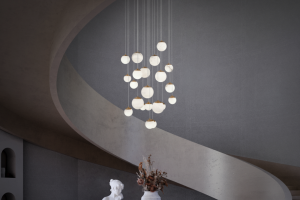
When we talk about globe lighting clusters for round dining tables, we’re really talking about a deliberate design choice that goes beyond simply hanging a few lights. It’s about creating a focal point, a sense of drama, and a warm glow that encourages lingering conversations and good meals. Unlike a single, large fixture that can sometimes feel overwhelming or too stark, a cluster offers a more nuanced approach. The individual globes, at varying heights or grouped closely, break up the light, creating softer shadows and a more dynamic visual. This is particularly effective for round tables because it mirrors the table’s shape, creating a harmonious balance in the room. It’s a way to add personality and style without overwhelming the space.
Why Globe Lights?
Globe lights, with their simple, elegant form, are incredibly versatile. They can lean modern, traditional, or anything in between, depending on their material, finish, and the way they are hung. Their spherical shape is inherently pleasing and works beautifully with the geometry of a round table. They diffuse light gently, avoiding harsh glare, which is crucial for creating a welcoming dining ambiance. When clustered, they can transform a plain ceiling into a feature, adding depth and visual interest. The interplay of light and shadow from multiple sources creates a more inviting and intimate feel than a single, broad light.
The “Why” Behind the Cluster
Let’s get down to brass tacks. Why opt for a cluster of globe lights over a single statement pendant or a flush mount fixture?
Enhancing Visual Appeal
Creating a Focal Point
A cluster of globe lights acts as a natural focal point in your dining room. It draws the eye, and when strategically placed, can anchor the entire seating area. This is especially helpful in open-plan spaces where defining different zones is important.
Adding Depth and Dimension
A single light can sometimes feel flat, especially over a large round table. A cluster, with its varying heights and potential for different sizes of globes, adds layers of visual interest. It creates a sense of depth and movement overhead, preventing the ceiling from feeling like a blank canvas.
Softening the Light
The beauty of multiple light sources is how they diffuse light. Instead of one concentrated beam, you get a softer, more ambient glow that wraps around your table. This is much more conducive to relaxed dining and conversation.
Versatility in Design
Customizing the Look
The real power of a cluster lies in its customizability. You can play with the number of globes, their sizes, the colors, materials, and most importantly, their arrangement. This allows you to tailor the lighting precisely to your aesthetic and the specific dimensions of your space.
Adapting to Different Styles
Whether your decor leans mid-century modern, minimalist, industrial, or a touch of boho, there’s a globe lighting cluster that can fit. The material of the globes (glass, metal, rattan), the base hardware, and the suspension style all contribute to the overall feel.
How to Go About It: The Practicalities
Now that we’ve established why clusters are a great idea, let’s dive into the practicalities of actually making it happen. This isn’t just about aesthetics; it’s about functionality and safety too.
Planning Your Cluster
This is where the fun really begins, but also where a little forethought pays off.
Determining the Right Size and Number of Globes
Consider the scale of your dining table. A larger table will need more globes, or perhaps larger ones, to feel balanced. For a standard 4-seater round table, 3 to 5 smaller globes might be perfect. For a larger 6 or 8-seater, you might consider 5 to 7, or even a mix of sizes. It’s about visual weight.
Thinking About Globe Material and Finish
Glass globes are classic and offer a clear or frosted diffusion. Metal globes can add an industrial or sophisticated touch. Natural materials like rattan or woven fibers bring a more organic, bohemian feel. Consider how the finish will interact with your room’s existing decor – matte black for modern, brass for warmth, clear glass for a minimalist look.
Considering Globe Size Variation
Using globes of slightly different sizes can add visual interest and a more organic, less rigid feel to the cluster. This can also help with light diffusion, as different sizes might cast light slightly differently.
Installation Considerations
This is where you might need to call in a professional, or at least have a good understanding of DIY if you’re comfortable.
Ceiling Height and Droop Length
This is critical. You don’t want the globes to be so low that people bump their heads, nor so high that they lose their impact. A good rule of thumb is to have the bottom of the lowest globe about 30-36 inches above the tabletop. However, this can vary based on the size of the globes and the overall ceiling height. Shorter ceilings might mean shorter droop lengths, while very high ceilings can accommodate longer, more dramatic drops.
Electrical and Support Requirements
Clusters mean more weight. You need to ensure your ceiling junction box and its mounting can support the total weight of the fixtures and their wiring. Often, a single junction box is used for multiple pendants, but it needs to be rated for the load. This is a key area where professional advice is invaluable.
Wiring and Dimmer Switches
Will all the globes be on one switch, or do you want to be able to control them independently? For a cluster, it’s common to wire them all to a single switch, but installing a dimmer switch is highly recommended. This allows you to adjust the ambiance from bright task lighting for meal prep to a soft, romantic glow for dinner.
Creating the Perfect Cluster Layout
The arrangement of your globe lights is where the artistry comes in. It’s not just about hanging them; it’s about composing them.
The Symmetrical Approach
Even Spacing
A classic look involves evenly spacing the globes in a circular or slightly staggered pattern directly above the table’s center. This creates a sense of order and balance.
Centered Alignment
Ensure the entire cluster is centered over the table. This is the most common and often most visually pleasing arrangement.
The Asymmetrical and Dynamic Layout
Overlapping and Varying Heights
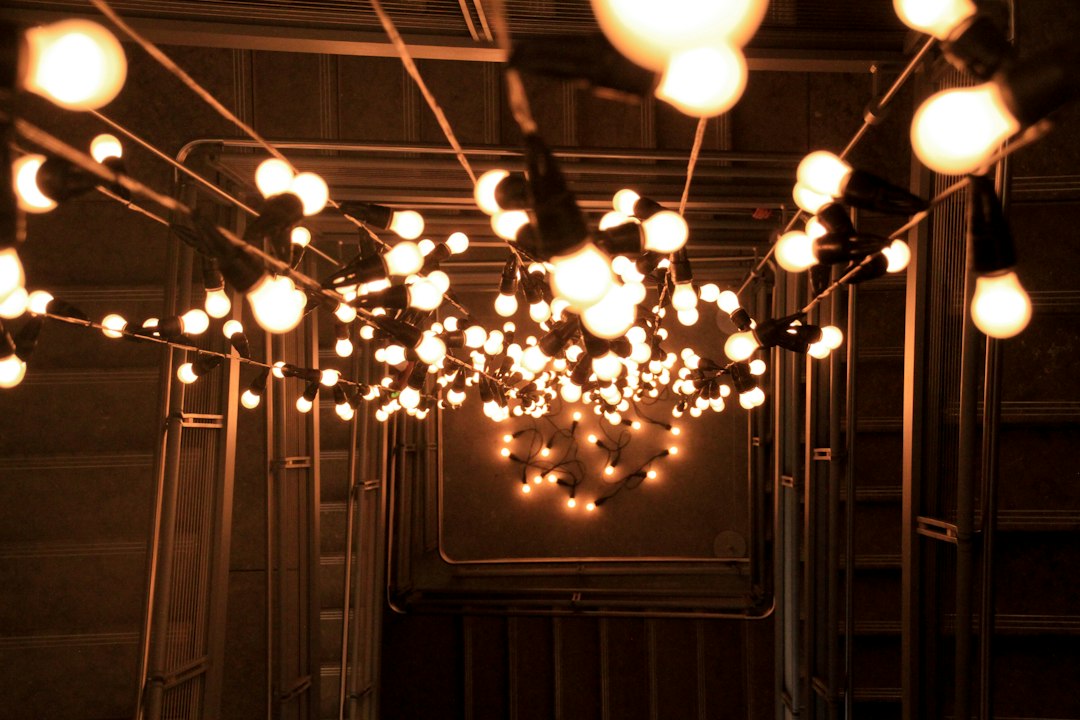
Don’t be afraid to let the globes overlap slightly or hang at different heights. This can create a more organic, artistic feel and break up the visual monotony. Think of it like a mobile, where elements have their own dynamic presence.
Off-Center or Grouped Arrangements
Sometimes, grouping the lights slightly off-center from the direct middle of the table can create a more interesting visual, especially if it’s balanced by other elements in the room. However, ensure it still feels visually connected to the table.
The “Artistic Mess”
This is where you embrace a more freeform arrangement, with globes at various heights and seemingly random positions. The key here is to ensure it still feels intentional and not just haphazard. It requires a good eye for balance and flow.
Lighting Techniques and Ambiance
Beyond just the look of the fixtures, how they actually cast light is crucial for ambiance.
Diffused Light for Softness
Frosted vs. Clear Glass
Frosted globes offer a softer, more diffused light, reducing glare and creating a gentle glow. Clear glass globes will allow you to see the bulb more directly, which can be good for decorative bulbs, but might require careful selection of bulb type to avoid harshness.
Inner Shades or Diffusers
Some globe fixtures come with an inner frosted shade or diffuser, which helps to soften the light even further, regardless of the outer globe material.
Layering Light: Beyond the Cluster
While the globe cluster is your primary overhead lighting, consider how it interacts with other light sources in the room.
Ambient Lighting
This is your general room illumination, perhaps from wall sconces or other ceiling fixtures. The globe cluster should complement this, not fight with it.
Task Lighting
If you have wall sconces or cabinet lighting that provides focused light, consider how this works with the softer glow of your globe cluster.
Accent Lighting
For areas like bookshelves or artwork, accent lighting can add another layer of depth and sophistication.
The Role of Dimmer Switches
We touched on this in installation, but it bears repeating. A dimmer switch is your best friend for creating ambiance.
Adjusting for Mood
Being able to dim the lights significantly transforms the dining experience. A bright setting is great for everyday meals and clean-up, while a dimmed setting is perfect for romantic dinners or relaxed evenings.
Energy Efficiency
Dimming also saves energy, which is always a good thing.
Choosing the Right Bulbs
Bulb Type and Wattage
When selecting bulbs for your globe lights, consider LED options for energy efficiency and longevity. Pay attention to the color temperature (measured in Kelvin) – a warmer white (around 2700K) is generally preferred for dining areas to create a cozy atmosphere. Avoid overly cool, blue-toned bulbs.
Decorative vs. Standard Bulbs
If your globes are clear, you might consider using decorative filament bulbs (like Edison bulbs) for added visual interest. However, ensure the light output is still appropriate for dining.
Smart Bulbs for Ultimate Control
For those who love technology, smart bulbs offer a whole new level of control. You can adjust brightness, color temperature, and even set schedules, all from your smartphone or smart home assistant. This can be particularly useful for creating different lighting scenes for various occasions.
Common Pitfalls to Avoid
Even with the best intentions, there are a few common mistakes people make.
Too High or Too Low
As mentioned, getting the height wrong is a big one. Too high, and the impact is lost; too low, and it’s a hazard. Measure twice, hang once!
Overcrowding the Table
Too many globes, or globes that are too large, can make the dining area feel cramped and overwhelming. It’s better to err on the side of slightly fewer, well-placed lights.
Ignoring Scale and Proportion
A tiny cluster over a massive table, or a huge cluster over a small table, just won’t look right. Always consider the scale of the table in relation to the lighting.
Forgetting About Functionality
While aesthetics are important, don’t forget that the primary purpose of dining lights is to illuminate the dining area. Ensure the light is sufficient for eating and conversing.
Neglecting the Wiring and Support
This is a safety issue. Don’t try to hang a heavy cluster from a junction box that isn’t rated for it. Get professional advice if you’re unsure.
Bringing It All Together: A Final Word
Creating ambiance with globe lighting clusters for your round dining table is a fantastic way to elevate your dining space. It’s about more than just illumination; it’s about crafting an experience. By carefully considering the size, number, arrangement, and type of globes, along with proper installation and the thoughtful use of dimmers and bulbs, you can transform your dining room into a warm, inviting, and stylish haven. It’s a project that’s well worth the effort, and the results will undoubtedly be appreciated every time you gather around your table.