Elevate Apartment Living Rooms with Semi Flush Ceiling Lighting
The following article discusses the role of semi-flush ceiling lighting in enhancing apartment living rooms.
Semi-flush ceiling lighting, positioned a few inches below the ceiling, represents a practical and aesthetically versatile choice for apartment living rooms. Unlike surface-mount fixtures that hug the ceiling or pendant lights Hnccom that hang lower, semi-flush mounts offer a balanced approach. This design allows for a degree of light diffusion and shadow play without encroaching significantly on vertical space, a common concern in many apartment settings.
Defining Semi-Flush Mounts: Geometry and Function
A semi-flush mount fixture is characterized by its canopy, which attaches directly to the electrical box in the ceiling, and a light-emitting element that extends downwards, typically by a few inches to a foot. This extension is crucial. It separates the light source from the ceiling surface, enabling light to radiate outwards and downwards, illuminating the room more effectively than a fully recessed or surface-mount fixture might. The space between the fixture and the ceiling, often filled by a decorative housing or shade, becomes a conduit for light that can bounce back, creating a softer, more diffused glow.
The Canopy: The Anchor Point
The canopy is the part of the fixture that conceals the electrical connections and mounting hardware. In semi-flush designs, the canopy is often an integral part of the overall aesthetic, contributing to the fixture’s style. Some canopies are sleek and minimalist, while others are more decorative, featuring etched metalwork or intricate patterns. The canopy’s size and finish can also influence the fixture’s visual weight and how it integrates with the existing decor.
The Downward Extension: Creating Depth and Diffusion
The defining characteristic of a semi-flush mount is its downward extension. This gap between the fixture and the ceiling is not merely functional; it’s an essential component of its lighting performance. Light escaping from the sides and the bottom of the fixture interacts with this space, preventing harsh shadows and creating a more inviting atmosphere. Think of it as a gentle exhale of light, pushing outwards rather than a sharp, direct blast.
Advantages in Apartment Living Rooms
The inherent design of semi-flush mounts makes them particularly well-suited for the constraints and demands of apartment living rooms. The need for effective illumination in often limited spaces, combined with regulations regarding ceiling height and fixture placement, positions semi-flush mounts as a strong contender.
Maximizing Vertical Space
Apartment living rooms often have standard or even lower-than-average ceiling heights. A semi-flush mount fixture, by not hanging excessively low, preserves a sense of vertical openness. This is a critical factor in making a room feel less cramped and more spacious. Imagine a low-hanging pendant in a small room; it can feel like a visual barrier. A semi-flush mount, in contrast, tends to blend more seamlessly into the upper volume of the room.
Balancing Illumination Needs
Living rooms serve multiple functions: relaxation, entertainment, and sometimes, even work. Semi-flush mounts can provide ample general illumination to cover these needs. The diffused light they cast is less likely to create glare on screens or strain the eyes during reading, contributing to a comfortable and functional environment.
Aesthetic Versatility
The market offers a vast array of semi-flush mount designs, catering to a wide spectrum of interior design styles. From modern and minimalist to traditional and industrial, a suitable semi-flush fixture can be found to complement almost any decor. This adaptability ensures that the lighting choice can enhance, rather than detract from, the established aesthetic of the apartment living room.
Designing with Light: The Role of Semi-Flush in Ambiance Creation
Semi-flush ceiling lighting is more than just a functional necessity; it’s a deliberate design element that can shape the mood and perception of an apartment living room. By strategically choosing and placing these fixtures, one can transform a space from a mere functional area into an inviting and visually appealing environment.
Layering Light for Depth and Interest
Effective interior lighting is rarely achieved through a single light source. Semi-flush mounts, when considered as part of a layered lighting scheme, can play a significant role in creating depth and visual interest. They often serve as the primary source of ambient light, providing a consistent level of illumination throughout the space.
Ambient Lighting: The Foundation
Ambient lighting is the general illumination of a room. Semi-flush ceiling lights are excellent for this purpose because their design distributes light broadly, creating an even glow. This foundational layer of light ensures that no corners of the room are left in darkness and provides a comfortable baseline for all other activities. Without adequate ambient light, a room can feel sterile or unwelcoming, regardless of accent or task lighting.
Complementing Task and Accent Lighting
While semi-flush mounts provide ambient light, they can also work in conjunction with other lighting types. For instance, in a reading corner, a floor lamp or a small table lamp can provide focused task lighting, while the semi-flush fixture ensures the surrounding area remains comfortably lit. Similarly, accent lighting, such as wall sconces or picture lights, can be used to highlight artwork or architectural features, with the semi-flush mount providing the backdrop of overall illumination. The semi-flush fixture, in this context, acts like a subtle stagehand, ensuring the main performers (accent lights) are visible without overshadowing them.
Shaping Perceptions of Space
The way light falls and interacts with surfaces can significantly influence our perception of a room’s size and shape. Semi-flush mounts, with their ability to diffuse light, can be employed to create illusions of spaciousness.
Softening Shadows
Harsh, defined shadows can make a room feel smaller and more enclosed. The diffused light from a semi-flush fixture softens these shadows, creating a more open and airy feel. Light that spills around the fixture and bounces off the ceiling creates a gentler transition between illuminated and shadowed areas, mimicking the effect of natural daylight.
Creating a Balanced Glow
A well-placed semi-flush light can provide a balanced glow across the ceiling. This even distribution of light prevents an “underlit” feeling in some areas and an overly bright, potentially glaring, experience in others. The visual effect is one of uniform brightness, which contributes to a sense of calm and order within the living room.
The Aesthetic Contribution
Beyond function, the design of the semi-flush mount fixture itself contributes to the overall aesthetic of the living room. The choice of materials, finishes, and shapes can either blend seamlessly with existing decor or serve as a focal point.
Material and Finish Choices
The materials and finishes available for semi-flush mounts are diverse. Metal finishes like brushed nickel, polished chrome, brass, and matte black offer distinct styles. Glass shades, often frosted or seeded, further diffuse light and add texture. Fabric shades can introduce warmth and softness. The selection of these elements should align with the dominant materials and colors already present in the living room to create a cohesive look.
Decorative Elements and Styles
Many semi-flush mounts incorporate decorative elements, such as cutouts, intricate patterns, or distinctive shapes. These details can add personality and visual interest to the ceiling. The style of the fixture—whether it leans towards modern, rustic, or art deco—should be a deliberate choice that reinforces the overall design theme of the apartment living room.
Practical Considerations for Selection and Installation
Choosing the right semi-flush ceiling lighting for an apartment living room involves more than just aesthetic appeal. Practical considerations related to size, placement, and installation are paramount to ensuring both optimal performance and safety.
Determining the Appropriate Size
The size of the semi-flush fixture should be proportionate to the dimensions of the living room and the ceiling height. An oversized fixture can overwhelm a small room, while a fixture that is too small may not provide adequate illumination.
The Rule of Thumb: Diameter and Ceiling Height
A common guideline suggests that the diameter of a ceiling fixture for a living room should be approximately one-tenth of the room’s length or width (whichever is greater). For rooms with standard 8-foot ceilings, a semi-flush mount with a height of 8 to 12 inches from the ceiling is generally suitable. For rooms with higher ceilings, a fixture with a greater downward extension can be considered, provided it doesn’t impede traffic flow.
Visually Balancing the Fixture
Even when following rules of thumb, consider the visual weight of the fixture. A large, visually heavy fixture might feel imposing in a room with lighter decor, and vice versa. The aim is to achieve a sense of balance where the fixture complements, rather than dominates, the space. Imagine a small bird trying to perch on a massive boulder; it would look out of place. Similarly, a large fixture in a small room can feel disproportionate.
Strategic Placement for Optimal Illumination
The placement of the semi-flush light fixture is as important as its size. Centering the fixture in the room is often the most effective approach for general illumination. However, other considerations might dictate alternative placements in certain living room layouts.
The Center of the Room: The Default Strategy
For most rectangular or square living rooms, mounting the semi-flush fixture in the exact center of the ceiling provides the most even distribution of light throughout the space. This central placement acts as a sun, radiating light outwards in all directions.
Addressing Awkward Layouts and Architectural Features
In living rooms with non-standard shapes, unusual architectural features like exposed beams or large windows that impact the primary ceiling area, or furniture arrangements that deviate from the norm, the ideal placement might shift. It may be necessary to position the fixture slightly off-center to ensure all functional areas receive adequate light. Alternatively, if the living room is significantly long and narrow, two smaller semi-flush mounts placed equidistant from the center might provide more balanced illumination.
Avoiding Obstructions
Ensure the chosen placement does not interfere with doors, windows, or the operation of ceiling fans if present. The fixture should hang high enough to clear these elements and any potential obstructions during their movement.
Installation: Safety and Electrical Codes
Proper installation is critical for the safe and reliable operation of any electrical fixture. Apartment dwellers should be aware of their responsibilities and any limitations.
Professional Installation Recommended
While some DIY enthusiasts may be comfortable with electrical work, it is generally recommended that semi-flush ceiling light fixtures be installed by a qualified electrician. This ensures the installation meets all local electrical codes and safety standards. An improperly installed fixture poses a fire hazard and can lead to electrical shock.
Understanding Apartment Leases and Regulations
Apartment leases often have clauses regarding alterations to the property, including the installation of new fixtures. It is essential to review the lease agreement and potentially obtain permission from the landlord or property management before undertaking any installation. They may have specific approved electricians or procedures for such work.
Existing Wiring and Fixture Compatibility
Before purchasing a fixture, confirm that the existing ceiling wiring is compatible with the chosen new light. The electrical box in the ceiling must be rated to support the weight of the fixture. An electrician can assess this during the installation process.
Style and Design Trends in Semi-Flush Lighting
The semi-flush ceiling light market is dynamic, with trends constantly evolving to reflect current interior design sensibilities. Staying abreast of these trends can help apartment dwellers select fixtures that are both functional and fashionable.
Modern and Minimalist Aesthetics
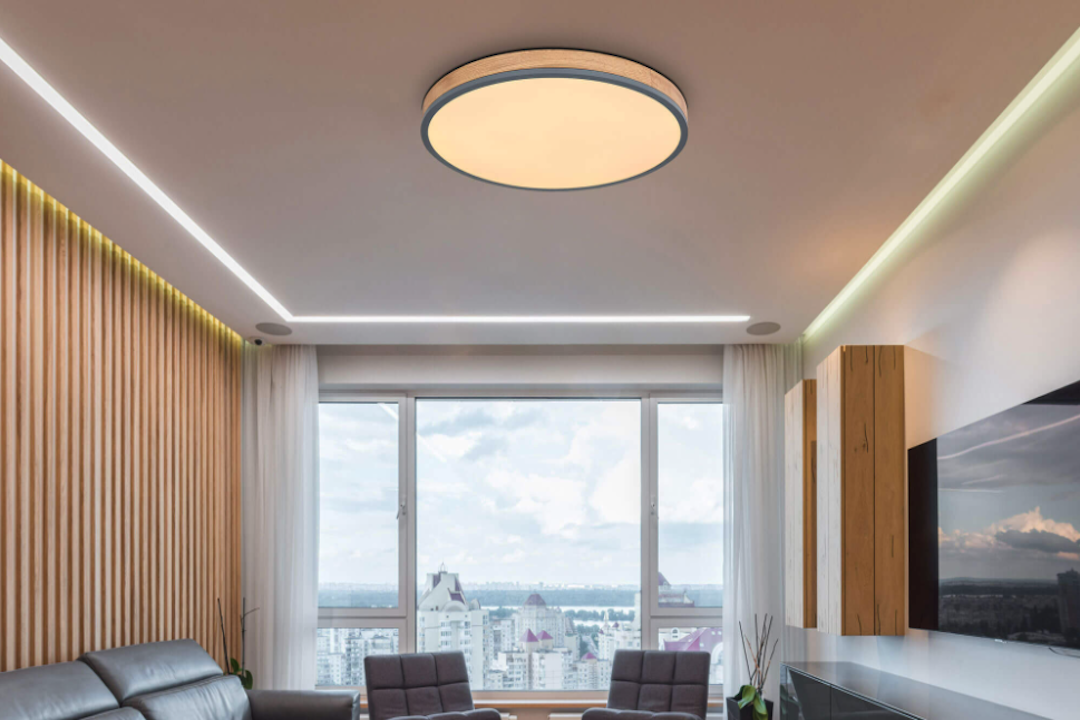
Modern design aesthetics emphasize clean lines, simplicity, and functionality. Semi-flush lights that align with this trend often feature geometric shapes, metallic finishes like brushed nickel or matte black, and opaque or frosted diffusers that conceal the light source.
Geometric Forms
Fixtures with square, rectangular, or circular canopies and shades are prevalent in modern design. The emphasis is on uncluttered forms that integrate seamlessly into the ceiling architecture. Think of a perfectly proportioned square that anchors the ceiling.
Understated Finishes
Finishes such as brushed nickel, polished chrome, and matte black are favored for their ability to complement a wide range of color palettes and materials without being overly assertive. These finishes provide a sophisticated touch without drawing excessive attention to themselves.
Integrated LED Technology
Many modern semi-flush fixtures incorporate integrated LED lighting. This not only offers energy efficiency and long lifespan but also allows for sleeker fixture designs as they don’t require traditional bulbs. This technology is akin to a finely tuned engine, efficient and unobtrusive.
Industrial and Farmhouse Influences
The enduring popularity of industrial and farmhouse styles has also influenced semi-flush lighting. These fixtures often incorporate materials like exposed metal, reclaimed wood accents, and elements reminiscent of utilitarian lighting.
Exposed Metal and Cage Designs
Fixtures featuring exposed metal components, such as metal shades, visible screws, or cage-like structures around the bulb, evoke an industrial feel. These elements add a touch of raw, unpolished character.
Vintage-Inspired Elements
Some semi-flush designs borrow from vintage industrial or factory lighting, incorporating elements like bell-shaped shades, pulley systems (decorative, not functional), or Edison-style bulbs to create a nostalgic atmosphere.
Natural Materials and Textures
In farmhouse-inspired semi-flush lights, there’s a greater emphasis on natural materials and textures. This might include accents of wood, distressed metal finishes, or woven elements in the shade, contributing to a warmer, more rustic ambiance.
Transitional Designs for Versatile Integration
Transitional design bridges the gap between modern and traditional styles, offering a harmonious blend of both. Semi-flush lights in this category often feature classic shapes with updated finishes or materials.
Classic Silhouettes with Contemporary Touches
A semi-flush fixture might have a traditional drum shade form but be finished in a modern matte black or brushed brass. This creates a fixture that is familiar yet fresh.
Balanced Material Palettes
Transitional fixtures often employ a balanced mix of materials, such as metal paired with glass or subtle wood accents. This combination avoids leaning too heavily into either modern or traditional aesthetics, making them highly adaptable.
Adaptability to Existing Decor
The primary strength of transitional semi-flush lighting is its ability to integrate seamlessly into pre-existing decor. They are designed to be adaptable, much like a skilled diplomat navigating different social circles, fitting comfortably into various room styles.
Enhancing Specific Living Room Scenarios with Semi-Flush Lighting
The application of semi-flush ceiling lighting extends beyond general ambient illumination to address specific challenges and enhance particular functionalities within an apartment living room.
Small Apartment Living Rooms: Creating the Illusion of Space
In compact living rooms, semi-flush mounts are invaluable for maximizing perceived space. Their design prevents them from visually shrinking the room, which can happen with lower-hanging fixtures.
Maximizing Headroom
By keeping the light source close to the ceiling, semi-flush fixtures preserve valuable headroom. This is critical in smaller apartments where every inch of vertical space contributes to a feeling of openness. Imagine a semi-flush light as a discreet whisper of light from the ceiling, rather than a loud pronouncement.
Even Light Distribution in Confined Areas
A well-chosen semi-flush mount can effectively illuminate a small living room without creating harsh glare or concentrated bright spots. This even distribution contributes to a more comfortable and less overwhelming environment. The light acts like a calming balm, spreading gently across the surfaces.
Selecting Compact and Streamlined Designs
For very small living rooms, opt for semi-flush fixtures with smaller diameters and a more streamlined profile. Avoid fixtures with excessive ornamentation that can make them appear larger than they are.
Living Rooms with Low Ceilings: The Vertical Advantage
Living rooms with significantly low ceilings present a unique challenge. Semi-flush mounts offer a practical solution by minimizing the fixture’s extension, thereby avoiding a sense of compression.
The ‘Closer to the Sky’ Effect
By keeping the fixture’s protrusion minimal, semi-flush lights create an illusion of greater ceiling height. This is achieved by not drawing the eye downwards with an extensive hanging component. The light seems to ascend rather than descend.
Diffused Up-Lighting for Softening
Some semi-flush designs allow for some light to diffuse upwards onto the ceiling. This subtle up-lighting can further enhance the perception of height, as it visually expands the ceiling plane.
Prioritizing Fixture Height and Scale
When selecting semi-flush lights for low-ceilinged rooms, pay close attention to the total height of the fixture from the ceiling. Even a few inches can make a difference.
Open-Plan Living Areas: Defining Zones and Providing General Illumination
In open-plan apartment layouts, semi-flush lighting can serve a dual purpose: providing general illumination for the entire space and contributing to the definition of specific living areas.
Establishing Ambient Light for the Entire Space
As the primary source of ambient light, semi-flush fixtures ensure that the open-plan living area is evenly lit, creating a welcoming and functional environment for all activities.
Delineating the Living Room Zone
By strategically placing a semi-flush fixture in the designated living room area, it can act as a visual anchor, subtly demarcating this zone from other parts of the open-plan space (e.g., dining or kitchen areas). This is analogous to placing a rug to define a seating area; the light fixture does so from above.
Coordinating with Other Lighting Elements
In open-plan layouts, it’s important to coordinate the style and illumination levels of semi-flush lights with other lighting fixtures in adjacent areas. This ensures a cohesive and harmonious lighting scheme throughout the entire open space.
Creating Ambiance for Entertainment and Relaxation
The living room is often the heart of the home, used for both lively gatherings and quiet moments of relaxation. Semi-flush lighting contributes to setting the appropriate mood for these diverse activities.
Setting the Mood for Social Gatherings
With their ability to provide ample, diffused light, semi-flush fixtures create a comfortable and inviting atmosphere for entertaining guests. The light is welcoming, not harsh or intrusive, allowing conversation to flow easily.
Facilitating Relaxed Evenings
During quieter times, the soft, diffused light from a semi-flush mount can contribute to a cozy and relaxing ambiance. It provides enough light for reading or enjoying a quiet evening without being overly stimulating. The light acts as a gentle embrace, encouraging relaxation.
Utilizing Dimmers for Versatility
Installing a dimmer switch with a semi-flush ceiling light offers exceptional versatility. It allows the user to adjust the light intensity to suit the specific activity – brighter for general use, dimmer for a more intimate or relaxed setting. This transforms the fixture from a simple light source into a dynamic tool for mood creation.