Mid-Century Ceramic Tortoise Shell Table Lamp for Living Room Console
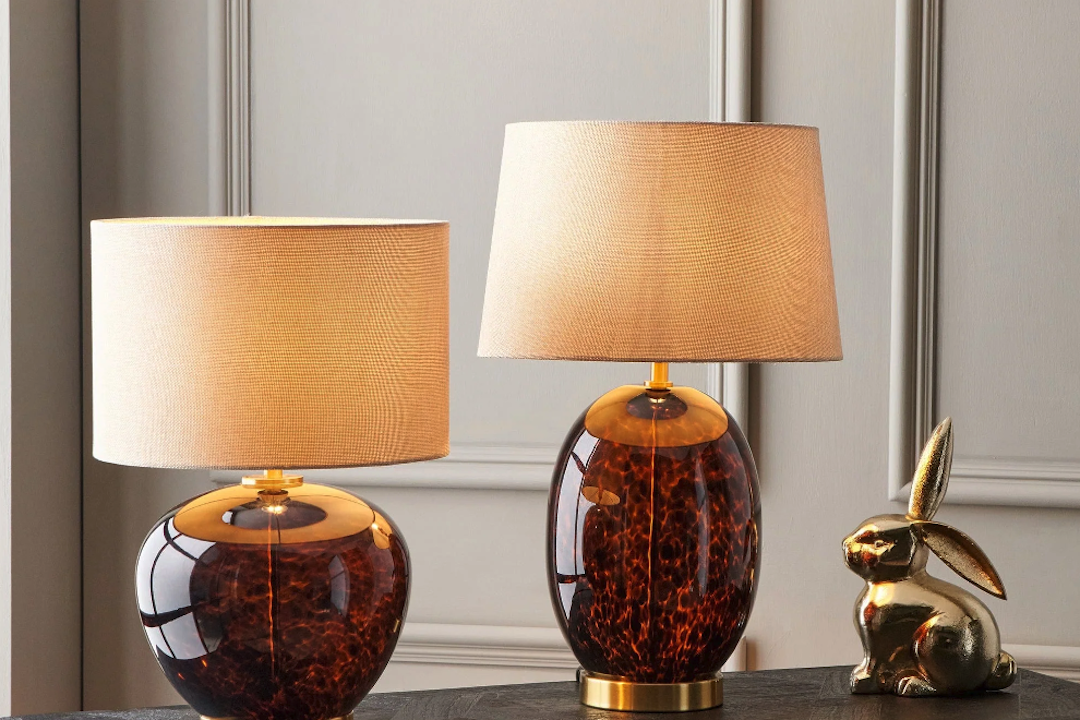
Looking to add a touch of vintage charm and sophisticated whimsy to your living room console? A mid-century ceramic tortoise shell table lamp might be just what you need. These lamps, with their distinctive patterns and warm glow, aren’t just light sources; they’re conversation starters and miniature works of art, perfectly suited to anchoring a stylish console table.
Before we dive into the nitty-gritty, let’s understand the appeal. Why a “tortoise shell” design specifically?
The Enduring Allure of Mid-Century Design
Mid-century modern isn’t just a trend; it’s a design philosophy that has stood the test of time. It’s characterized by clean lines, organic shapes, functionality, and a blend of natural and man-made materials.
- Timeless Aesthetic: Mid-century designs effortlessly blend into various decor styles, from truly vintage to contemporary eclectic. They don’t scream “period piece” but rather integrate seamlessly.
- Quality Craftsmanship: Lamps Martliving from this era were often built to last, using durable materials and thoughtful construction.
- Unique Character: Unlike mass-produced modern items, these older pieces often have a story and a distinct personality.
The Charm of the Tortoise Shell Pattern
The “tortoise shell” pattern, often achieved through glazing techniques, isn’t about using actual tortoise shells (which would be illegal and unethical today). Instead, it mimics the rich, mottled browns, ambers, and blacks found on a tortoise’s carapaces.
- Natural Warmth: The colors are inherently warm and inviting, perfect for creating a cozy atmosphere in a living room.
- Subtle Sophistication: It’s a pattern that’s interesting without being overwhelming. It adds visual texture and depth without competing for attention.
- Versatile Palette: The earthy tones make it surprisingly easy to integrate with a wide range of existing color schemes, from neutral to bold.
Identifying an Authentic Mid-Century Piece
Navigating the world of vintage can be tricky. Here’s what to look for when trying to identify an authentic mid-century ceramic tortoise shell table lamp.
Maker’s Marks and Signatures
One of the most reliable indicators is a maker’s mark.
- Bottom of the Base: Flip the lamp over. Look for stamped, impressed, or hand-painted signatures. Common mid-century ceramic lamp manufacturers include Laurel Lamp Company, Stiffel, Rembrandt, Frederick Cooper, and various European studios.
- Paper Labels: Sometimes, a paper label might be present, though these are often lost over time.
- “Made in…” Markings: Many lamps will have country of origin markings, particularly if they were imports from countries like Italy, Germany, or Scandinavia, all of whom produced beautiful ceramic lamps during the era.
Construction and Materials
The way a lamp is built can tell you a lot.
- Ceramic Quality: Mid-century ceramics were often substantial and well-glazed. Look for a weighty feel to the base, indicating quality clay. The glaze should be rich and even, with the characteristic mottled tortoise shell effect achieved through layering or specific application techniques.
- Hardware: Examine the socket, harp, and wiring. Older lamps often have brass or bakelite sockets. The wiring, however, should always be checked and likely updated for safety.
- Overall Finish: Is it consistent? Does it feel handmade or mass-produced (even era-appropriate mass production can be of higher quality than today)?
Era-Specific Design Cues
Beyond the tortoise shell pattern itself, other design elements can help date the lamp.
- Shape: Mid-century ceramic lamps often feature organic, sculptural shapes – think gourd-like, amphora, or more angular, architectural forms. Avoid anything overly ornate or highly decorative which might point to an earlier or later period.
- Finish: Besides the tortoise shell, look for other glazed finishes common to the era – matte, high-gloss, drip glazes, or even textured surfaces.
- Shade Style (Original or Replacement): While often replaced, the intended shade style for mid-century lamps was typically drum, empire, or bell-shaped, often in linen, paper, or silk, avoiding overly frilly or pleated styles.
Integrating the Lamp into Your Living Room Console
Once you’ve found your perfect lamp, the next step is seamlessly bringing it into your living space.
Console Table Considerations
The console table itself is part of the equation.
- Scale and Proportion: Ensure the lamp’s height and width are proportionate to your console table. A good rule of thumb is that the lamp, including the shade, should not be more than 1.5 times the height of the table it sits on. The bottom of the shade should also be roughly eye-level when seated.
- Table Style: While a mid-century lamp pairs beautifully with a mid-century console, don’t be afraid to mix styles. A minimalist modern console can highlight the lamp’s vintage charm, or a rustic wood console can ground its sophistication.
- Surface Area: Make sure there’s enough space around the lamp for other decorative items without feeling cluttered.
Styling the Console Around the Lamp
The lamp should be the star, but it needs a supporting cast.
- Asymmetrical Balance: Instead of mirroring items on either side of the lamp, try an asymmetrical arrangement. Place a stack of books and a small plant on one side, and a simple decorative object (like a ceramic bowl or a piece of sculptural wood) on the other.
- Varying Heights and Textures: Introduce objects of different heights and textures to create visual interest. For instance, a tall vase next to a shorter candle holder, or a smooth metal object alongside a rougher woven one.
- Consider the Backdrop: What’s behind your console? A piece of art, a mirror, or textured wallpaper can serve as an effective backdrop, drawing the eye to your curated display.
- Books and Curios: A carefully chosen stack of art books or interesting curios (like a vintage magnifying glass, a small sculpture, or unique paperweights) can complement the lamp without overshadowing it.
Lighting the Scene
Beyond its decorative appeal, remember it’s a light source.
- Bulb Choice: Opt for a warm LED bulb in a color temperature of 2700K-3000K to enhance the cozy, inviting glow the tortoise shell pattern evokes. Dimmable bulbs are a plus for setting the mood.
- Shade Material: A classic linen or paper shade will diffuse light beautifully, creating a soft, ambient glow. Avoid shades that are too opaque if you want functional light, or too transparent if you want to hide the bulb.
- Layered Lighting: A console lamp works best as part of a layered lighting scheme. Combine it with ambient overhead lighting, task lighting from a floor lamp, and other accent lamps for a well-lit and inviting living room.
Maintenance and Care for Longevity
Vintage pieces need a little extra love to keep them looking their best and functioning safely.
Electrical Safety First
This is paramount. Old wiring can be a fire hazard.
- Professional Inspection: If you’re buying a vintage lamp, especially online or from an antique store without a clear “rewired” label, have it inspected and rewired by a qualified electrician. This typically involves replacing old wires, plugs, and possibly the socket.
- Indicator of Old Wiring: Look for brittle, cracked, or frayed insulation, discolored wires, or old-fashioned two-prong plugs without ground. These are all signs it needs rewiring.
Cleaning the Ceramic Base
Keeping the base clean will preserve its beauty.
- Dust Regularly: Use a soft, dry cloth or a feather duster to gently remove dust from the ceramic base. This prevents grime buildup.
- Spot Cleaning: For smudges or light dirt, dampen a soft cloth with plain water (or a very mild, non-abrasive soap solution if necessary) and gently wipe the affected area. Always test in an inconspicuous spot first and avoid harsh chemicals or abrasive cleaners, which can damage the glaze.
- Drying: Ensure the ceramic is completely dry after any cleaning to prevent water spots or moisture damage.
Caring for the Lamp Shade
The shade plays a big role in the lamp’s overall look.
- Dusting: Use a lint roller or a soft brush (like a clothes brush) to gently remove dust from fabric or paper shades.
- Spot Cleaning (Fabric Shades): For fabric shades, a very slightly damp cloth with a tiny bit of mild detergent can sometimes help with small marks, but proceed with extreme caution and test in an hidden area. Dry cleaning for fabric shades might be an option if they’re particularly soiled and you’re confident it won’t damage the material.
- Paper/Parchment Shades: These are often more delicate. Avoid getting them wet. A dry lint roller or soft brush is usually sufficient.
Where to Find Your Lamp
The hunt for a perfect vintage piece is part of the fun.
Antique Stores and Flea Markets
These are classic hunting grounds.
- Hands-On Inspection: The advantage here is you can physically inspect the lamp for damage, quality, and authenticity.
- Negotiation: Often, there’s room for negotiation on price, especially if you spot minor imperfections.
- Local Charm: Supporting local businesses can lead to uncovering hidden gems.
Online Marketplaces
The digital world offers a vast selection.
- Etsy and eBay: These platforms have a huge inventory. Use specific search terms like “mid-century ceramic lamp tortoise shell,” “vintage ceramic lamp brown mottled,” or “gourd lamp ceramic.”
- Specialized Vintage Dealers: Many online stores specialize in mid-century furniture and decor. They often have higher prices but offer curated, often rewired, and well-documented pieces with better returns/shipping policies.
- Ask for Details: When buying online, always ask for multiple photos from all angles, detailed descriptions of any flaws, and confirmation of whether the lamp has been rewired. Don’t hesitate to ask about maker’s marks or provenance.
Estate Sales and Auctions
For the more adventurous buyer.
- Potential Bargains: Estate sales can yield incredible deals, as sellers often want to offload items quickly.
- Condition Varies: Lamps found at estate sales or auctions might be sold “as is,” meaning you’ll need to factor in potential repair or restoration costs.
- Timing is Key: Arrive early for the best selection at estate sales.
Final Thoughts: A Piece of History and Style
A mid-century ceramic tortoise shell table lamp for your living room console isn’t just another home decor item. It’s an intentional choice, a nod to quality design and a desire to infuse your space with personality and warmth. It serves as a beautiful focal point, casting a soft, inviting glow, and often sparking conversations about its origins and unique aesthetic. Take your time, enjoy the search, and you’ll find a piece that truly illuminates your living room in more ways than one.