Enhance Your Kitchen with a Fluted Glass Pendant Light
Thinking about giving your kitchen a little something extra? A fluted glass pendant light might be just the ticket. These lights aren’t just about brightness; they bring a touch of subtle elegance and a whole lot of texture that can really elevate your kitchen’s style. Let’s dive into why they work so well and how you can make them shine in your space.
Fluted glass, with its vertical ridges, isn’t anything new, but it’s definitely having a moment in interior design, and for good reason. It’s a material that offers a beautiful balance of form and function.
What Exactly is Fluted Glass?
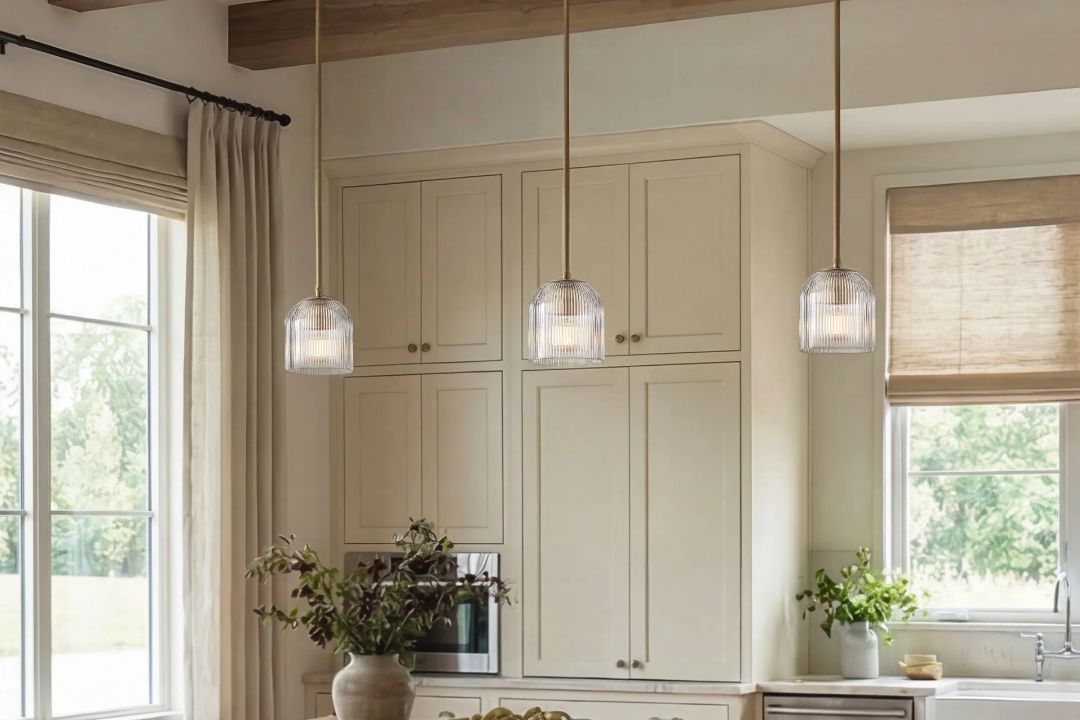
Essentially, fluted glass has been molded or pressed with parallel grooves or channels running along its surface. These grooves create a ripple effect, distorting light Homezora in a really unique way. Instead of a sharp, uniform beam, the light is softened, diffused, and scattered.
The Play of Light and Shadow
This diffusion is where the magic really happens. The flutes catch and refract light, creating a beautiful interplay of light and shadow. It’s not just a functional light source; it becomes a decorative element in itself, casting subtle patterns on walls and countertops. This adds depth and visual interest to your kitchen.
A Touch of Retro-Modern Appeal
Fluted glass has roots in vintage design, often seen in antique cabinets or decorative items. However, when paired with modern fixtures and in a contemporary kitchen setting, it brings a sophisticated, retro-modern vibe. It bridges the gap between traditional craftsmanship and modern aesthetics.
Durability and Ease of Care
Despite its delicate appearance, fluted glass is generally quite durable. It’s typically made from tempered glass, which is stronger than standard glass. Plus, the textured surface can sometimes be more forgiving when it comes to showing fingerprints or water spots compared to perfectly smooth, clear glass.
Why a Fluted Glass Pendant Light for Your Kitchen?
Pendant lights are already fantastic for kitchens, defining specific areas like islands or dining nooks. Adding fluted glass takes this functionality and layers it with aesthetic appeal.
Defining Your Kitchen Zones
In an open-plan kitchen, pendant lights are invaluable for visually separating different areas. A fluted glass pendant hung over your kitchen island, for instance, instantly draws the eye and signals “this is the main prep and social hub.” Similarly, over a small dining table in the kitchen, it creates an intimate eating space.
Beyond Basic Illumination
While they provide essential task lighting, fluted glass pendants do so much more. They contribute to the overall mood and ambiance of your kitchen. The diffused light they cast is softer and more inviting than a harsh spotlight, making your kitchen feel more like a welcoming living space.
The “Wow” Factor
Let’s be honest, a well-chosen lighting fixture can be a real statement piece. Fluted glass pendants offer that subtle “wow” factor without being overbearing. They’re unique enough to be noticed and admired, but their textured nature prevents them from feeling gaudy or overly trendy.
Versatility in Design
One of the best things about fluted glass is its adaptability. It can complement a wide range of kitchen styles. Whether your kitchen is ultra-modern, farmhouse chic, or somewhere in between, you can find a fluted glass pendant that fits right in. The frame material and the overall shape of the pendant play a big role here.
Selecting the Right Fluted Glass Pendant
Choosing the perfect fixture is about more than just liking the look. You need to consider how it will function within your specific kitchen space.
Size Matters: Scale and Proportion
This is crucial for any pendant light. Too small, and it will look lost over a large island. Too big, and it can overwhelm the space and feel clunky.
- Island Width: For a standard kitchen island, measure its width. As a general rule, you can hang pendants that are about one-third the width of the island. If your island is 8 feet long, pendants with a diameter of around 2.5 to 3 feet might work, or multiple smaller pendants spaced accordingly.
- Ceiling Height: Consider your ceiling height. Taller ceilings can accommodate larger, more dramatic pendants. Lower ceilings might benefit from more streamlined designs to avoid feeling cramped.
- Number of Lights: For longer islands, using multiple smaller pendants often creates a more balanced and visually appealing arrangement than one large fixture.
Style of the Pendant: From Modern to Vintage
The overall design of the pendant – the shape of the glass globe, the material of the hardware, and the suspension style – will dictate its aesthetic.
- Globe Shapes: Fluted glass is often found in classic globe or cylinder shapes. These are incredibly versatile. More contemporary designs might feature teardrop shapes or even geometric forms.
- Hardware Finishes: The metal parts of the pendant come in various finishes: brushed nickel, matte black, polished brass, antique bronze, etc. Choose a finish that complements your existing kitchen hardware (faucets, cabinet pulls).
- Matte Black: Offers a modern, edgy feel.
- Brushed Nickel/Chrome: Tends to feel more contemporary and clean.
- Brass/Gold Tones: Can add warmth and a touch of luxury, leaning towards classic or art deco styles.
- Antique Bronze/Copper: Great for farmhouse, rustic, or traditional kitchens.
- Suspension Type: Will it hang from a single cord, a downrod, or a chain? This also impacts the style. Cords can feel more casual and modern, while downrods are often associated with more traditional or industrial looks.
The Color and Tint of the Glass
While “fluted glass” implies clear or frosted textures, the glass itself can have subtle tints.
- Clear Fluted Glass: This is the most common. It offers the best diffusion of light while still allowing good visibility.
- Frosted or Opal Fluted Glass: The flutes will still be visible, but the light will be even more diffused, creating a softer, more ambient glow. This can be great if you’re concerned about glare.
- Tinted Fluted Glass: You might find fluted glass with a subtle amber, grey, or even a very pale blue tint. This adds another layer of color and can influence the mood of the light.
Installation Considerations for Fluted Glass Pendants
Installing a pendant light, especially over an island, is a project that can significantly improve your kitchen’s functionality and aesthetics.
Placement is Key: Over the Island and Beyond
The most popular spot for fluted glass pendants is undoubtedly over a kitchen island. This serves both decorative and practical purposes.
- Island Placement: Aim for a distance of about 30-36 inches from the countertop surface to the bottom of the pendant. This ensures you have ample light for working without hitting your head. Spacing between multiple pendants should be about 24-36 inches apart, depending on their size.
- Beyond the Island: Other great locations include:
- Over a Kitchen Sink: If your sink is in an island or a peninsula, a pendant can provide focused task lighting and a touch of style.
- In a Dining Nook: If you have a small table tucked into your kitchen, a pendant creates a cozy atmosphere.
- At the end of a Peninsula: Similar to an island, it defines the space.
Electrical Work: DIY vs. Professional
This is where practicality meets safety.
- Recessed Lighting Conversion: If you have existing recessed lights over your island and want to switch to pendants, you’ll likely need to convert them. This often involves installing an electrical box in the ceiling to support the pendant’s weight and wiring.
- New Wiring: If you don’t have existing ceiling lights in the desired spot, running new wiring is involved. This can be complex and often requires professional help to ensure it’s done safely and up to code.
- Dimmer Switches: Highly recommended for pendant lights, especially over a kitchen island. A dimmer allows you to adjust the brightness for different tasks – bright for prepping, softer for dining or ambient lighting.
Hanging Height and Adjustment
Getting the hanging height right is crucial for both aesthetics and functionality.
- Task Lighting Height: For areas where you’ll be prepping food or working, the light should be positioned lower to provide direct illumination. As mentioned, 30-36 inches above the counter is a good starting point.
- Ambient or Decorative Height: If the primary purpose is mood or general ambiance, you can hang them slightly higher.
- Adjustability: Many pendant lights come with adjustable cords or downrods. This is a lifesaver during installation, allowing you to fine-tune the height until it’s perfect. Always check this feature when purchasing.
The Light Bulb: Crucial for the Fluted Effect
The type of light bulb you choose significantly impacts how the fluted glass performs.
Bulb Type and Brightness (Lumens)
You want a bulb that provides good light output without being overly harsh.
- Lumens over Watts: Focus on lumens (lm) for brightness. A typical kitchen task light might need 1500-2000 lumens, but this can be distributed across multiple pendants. For ambient lighting, you’ll need fewer.
- Avoid Over-Brightness: The fluted glass already diffuses light. A super-bright bulb can sometimes still feel glarey or wash out the subtle texture of the glass.
Color Temperature (Kelvin Scale)
This is how “warm” or “cool” the light appears.
- Warm White (2700K – 3000K): This is generally excellent for kitchens. It creates a cozy, inviting atmosphere, similar to incandescent bulbs, and highlights the texture and color of your kitchen finishes beautifully.
- Neutral White (3500K – 4000K): This is a bit brighter and cleaner. It’s good for task lighting if you prefer a crisper light.
- Cool White (5000K+): This can feel too sterile or clinical for most kitchen settings and generally doesn’t enhance the visual appeal of the fluted glass.
Bulb Shape and Size
The bulb’s shape and size matter for both aesthetics and how well it fits inside the fluted glass shade.
- Edison/Filament Style Bulbs: Many fluted glass pendants are designed to showcase the bulb. Vintage-style Edison bulbs with visible filaments, or LED versions that mimic them, can be a fantastic choice. They add a decorative element even when the light is off.
- Smaller Globe or Candle Bulbs: If the opening of your pendant is narrow, you might need a smaller bulb.
- Frosted Bulbs: While you want the glass to diffuse the light, a frosted bulb inside can sometimes add an extra layer of diffusion, potentially making the light too dim. Clear bulbs, especially those with LED filaments, often work best to show off the fluted texture.
Maximizing the Aesthetic Impact
Beyond the practicalities, there are ways to ensure your fluted glass pendant light truly enhances your kitchen’s look.
Juxtaposition: Modern Kitchens, Timeless Appeal
Fluted glass is a fantastic way to introduce vintage charm into a contemporary kitchen without looking out of place.
- Sleek Cabinetry: Pair fluted glass pendants with minimalist, sleek cabinetry. The texture of the glass will provide a welcome contrast to the smooth surfaces.
- Industrial Touches: If your kitchen has industrial elements like concrete countertops or exposed brick, matte black or dark metal fluted pendants can add a sophisticated edge.
The Farmhouse Refresh
For those leaning towards a farmhouse or rustic aesthetic, fluted glass is a natural fit.
- Wood Accents: Combine fluted glass with natural wood tones in your cabinets, island, or open shelving.
- Antique Finishes: Brass, antique bronze, or copper hardware on the pendants will deepen the connection to a farmhouse feel.
Creating a Focal Point
A well-placed pendant light can become the star of your kitchen.
- Island as the Hub: The kitchen island is the natural focal point, and the pendants only enhance this. They draw the eye and signal this as the primary gathering area.
- Consistent Theme: If you have other lighting in your kitchen (e.g., under-cabinet lighting), ensure the color temperature and style complement each other. The fluted glass pendant should be the standout, but not an outlier.
The Subtle Elegance of Texture
The real beauty of fluted glass lies in its texture. It’s not about flashy patterns, but about the sophisticated way it interacts with light.
- Softening the Space: In a kitchen that might feel a bit stark or too modern, the ridges of the glass add a softness and visual warmth.
- Adding Depth: The way the light diffuses and creates subtle shadow play adds a layer of depth to the room that a plain glass pendant simply can’t achieve.
By understanding these aspects, you can confidently choose and install a fluted glass pendant light that not only illuminates your kitchen but also transforms it into a more stylish and inviting space.